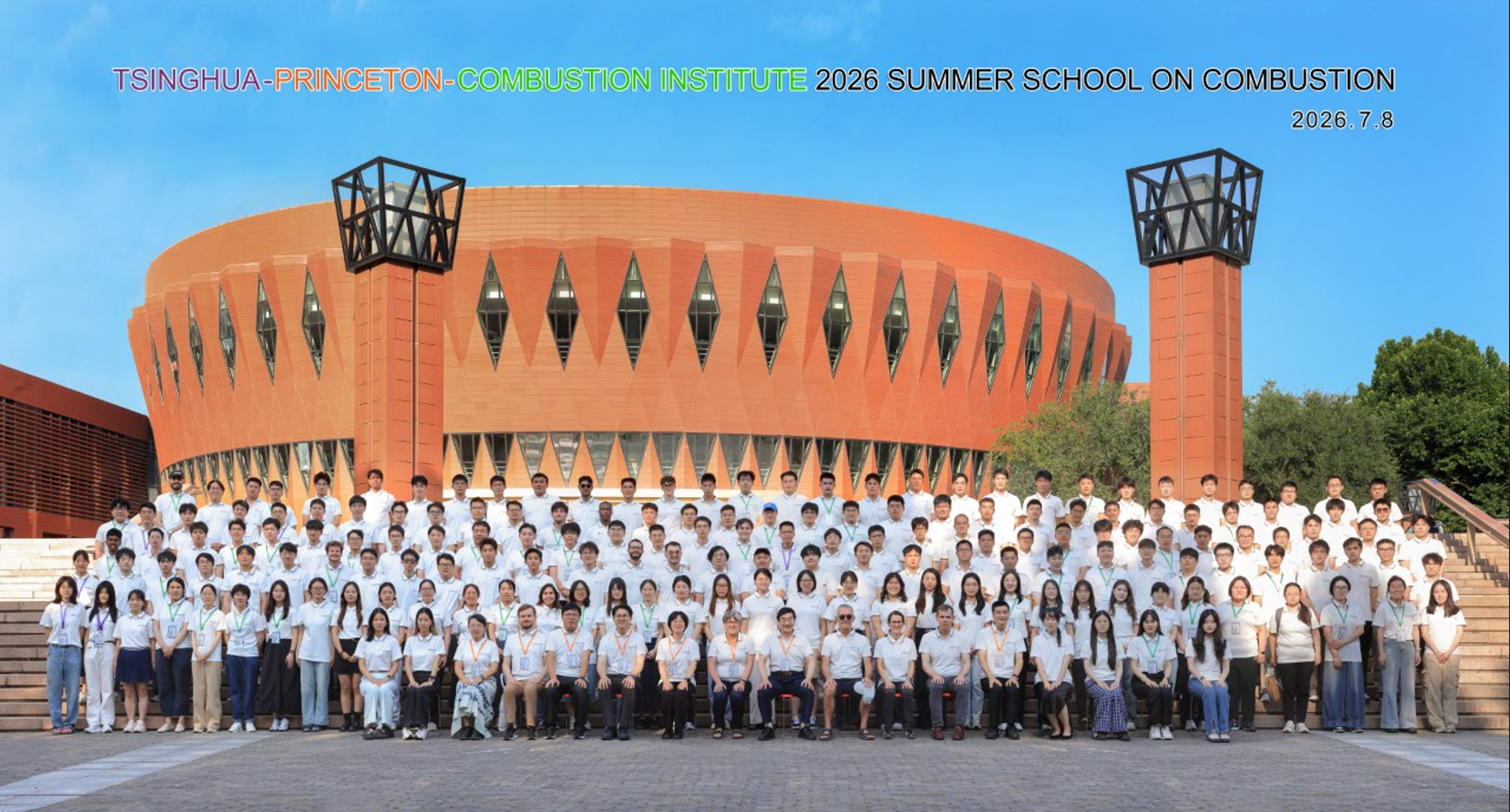
The 2026 Tsinghua-Princeton-Combustion Institute Summer School on Combustion was successfully held from July 5 to 11 on the campus of Tsinghua University. This year, renowned professors in the field of energy and combustion were invited to lecture, including Professor Thierry Poinsot from the Institute of Fluid Mechanics of Toulouse, CNRS in France, Professor Alison Tomlin from the University of Leeds in UK, Professor Pascale Desgroux from the University of Lille-CNRS in France, Professor Alexandre Tkatchenko from the University of Luxembourg in Luxembourg, Professor Matthias Ihme from Stanford University in US, and Professor Deanna Lacoste from King Abdullah University of Science and Technology (KAUST) in Saudi Arabia. The topics covered combustion theory, combustion chemistry and optical diagnostic methods, plasma-assisted combustion, and AI-assisted energy and combustion numerical simulation. The event attracted 210 participants from 18 countries/regions, including undergraduates, graduate students, postdoctoral researchers, and university faculty in related fields. In addition to the five-day combustion courses, the students participated in a variety of activities, including campus tours, visits to the Tsinghua University Art Museum, academic salons, poster session, career panel, and laboratory tours. The event received positive feedback from the participants. With the long-term support of the Combustion Institute and all the students, the Summer School will continue to provide international cutting-edge courses by world-leading experts, promote exchanges between domestic and international peers and international education, and support the development of advanced energy, combustion science and AI technology.
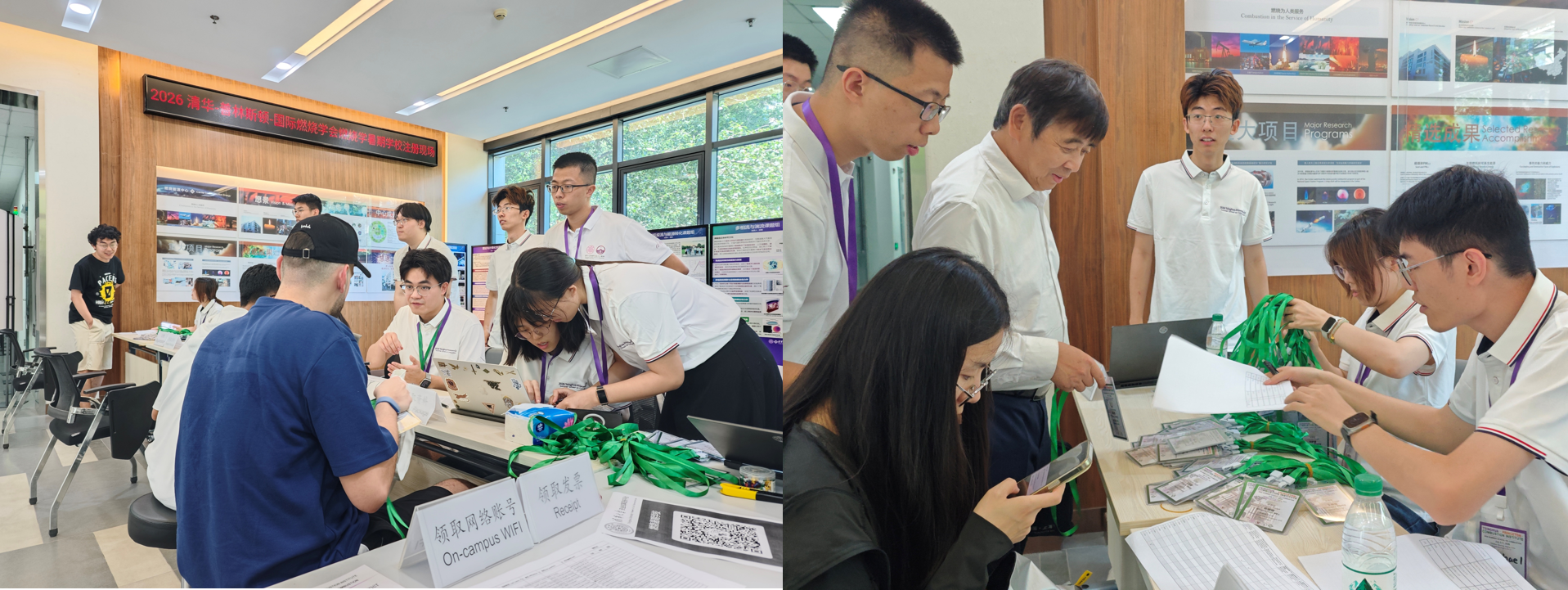
On the registration day, Sunday, July 5, graduate student volunteers from Tsinghua University set up a registration desk at the Northeast Gate of the Lee Shau Kee Building. They guided domestic and international students to collect event handbooks and delegate bags, and provided comprehensive advice on food, clothing, accommodation, and transportation, preparing them for the following six days of campus life at Tsinghua.
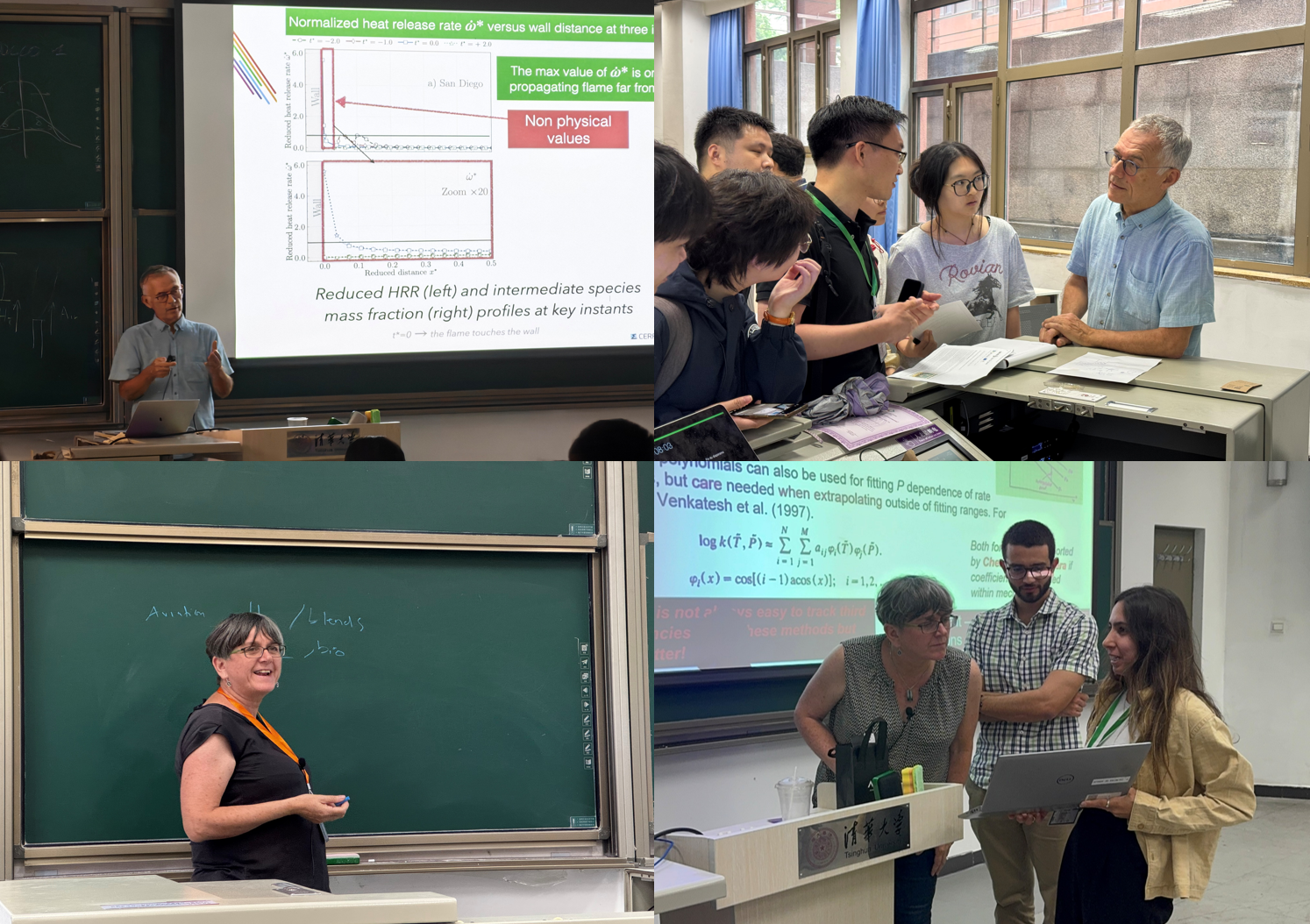
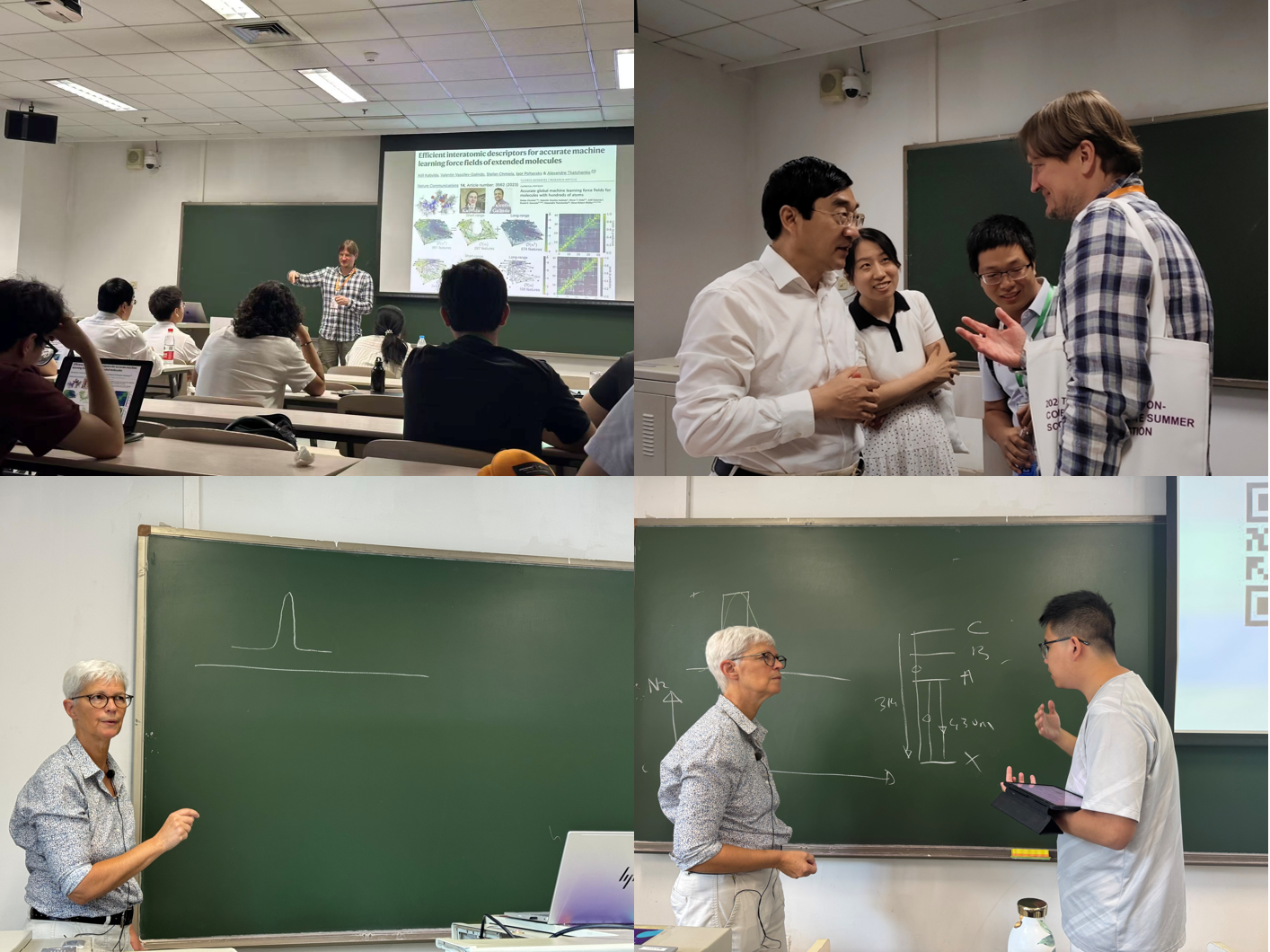
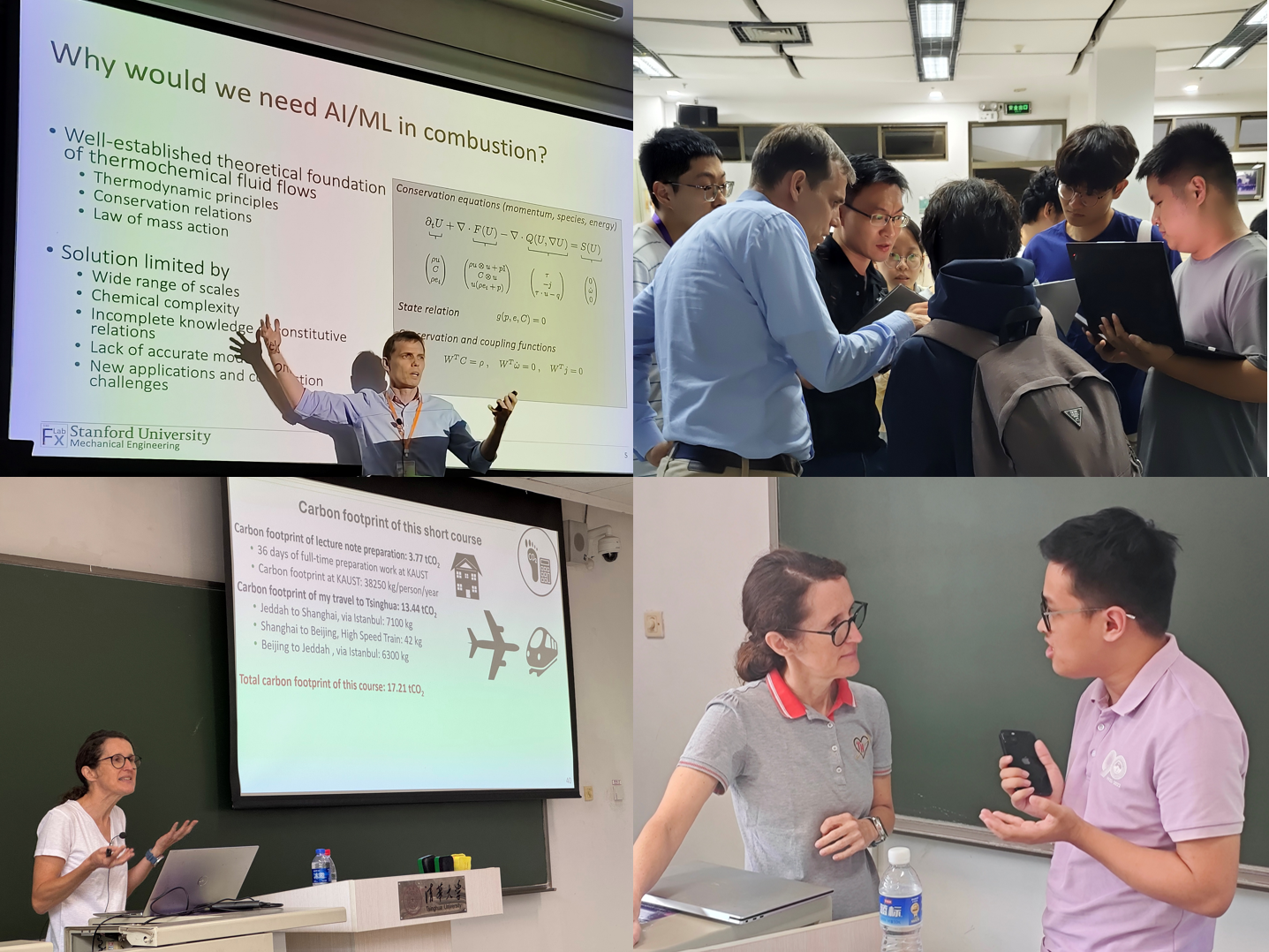
The summer school courses were held in the Sixth Teaching Building, with two parallel sessions in the morning and two in the afternoon each day. Professors Poinsot and Tomlin lectured for 5 days, while the other four professors lectured for 2 to 3 days. Each session involved three hours of teaching per day, requiring students to complete a total of 30 credit hours of coursework over the five days.
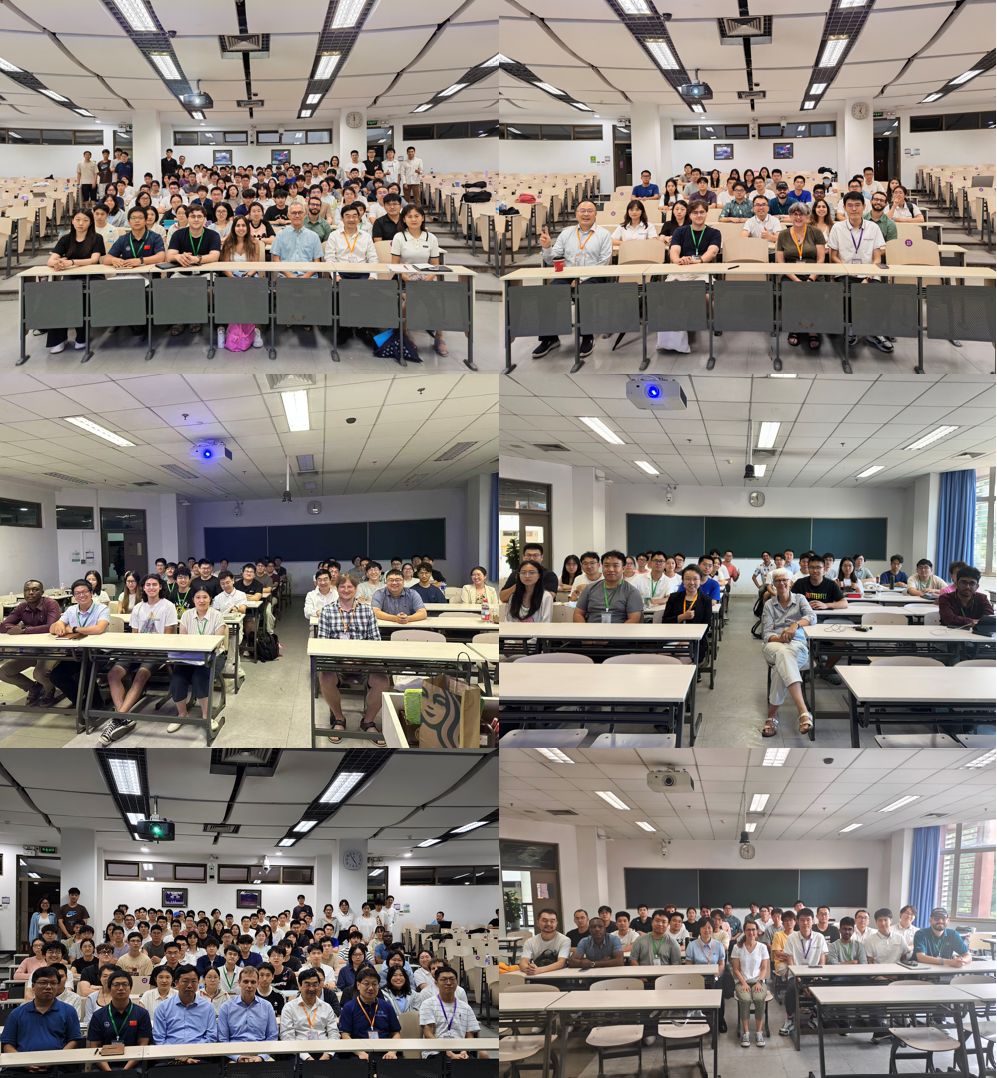 The following is a collection of highlights from the six sessions.
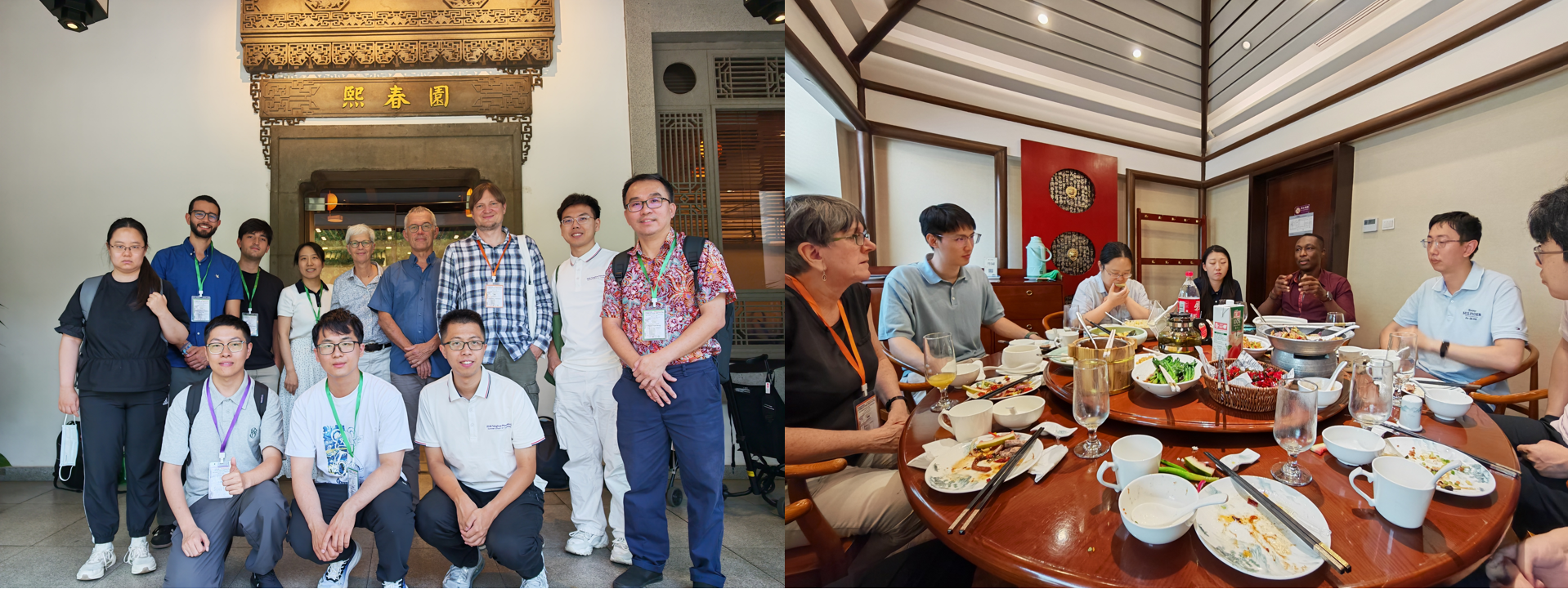
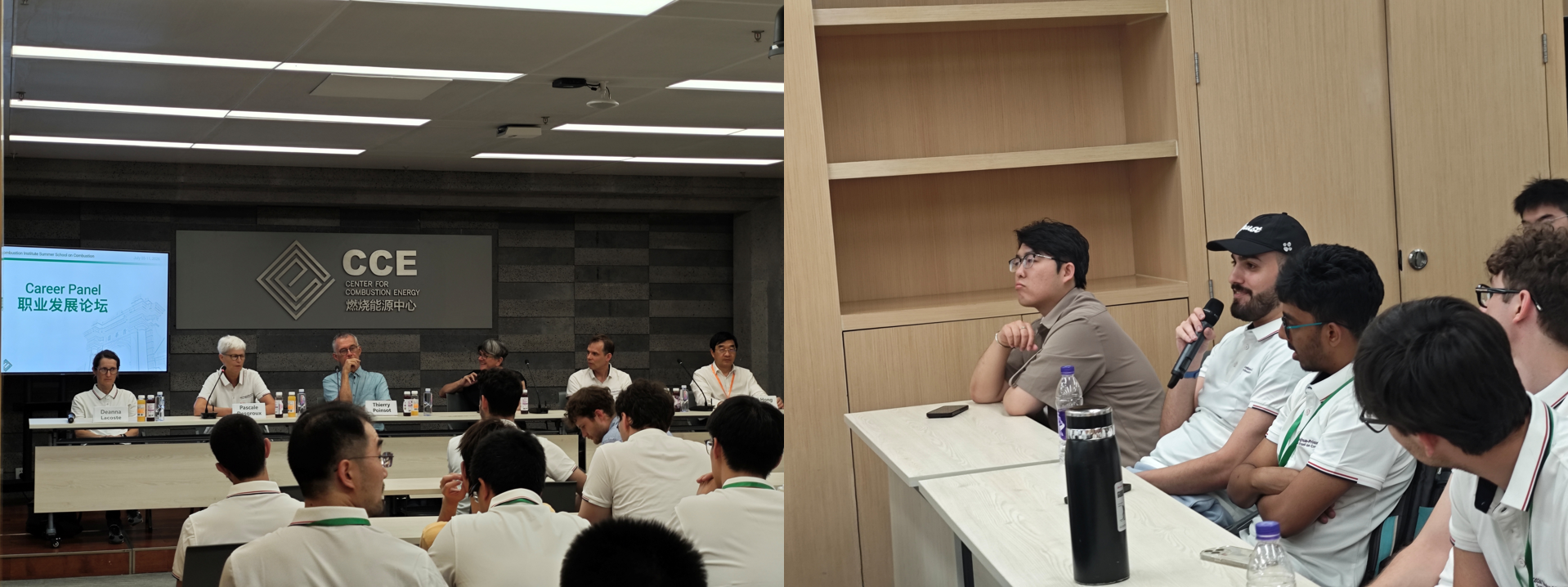
To facilitate communication between lecturers and students, the summer school organized activities such as academic salon and career panel. The academic salon took the form of lunches and dinners with the instructors, providing students with opportunities to further discuss domestic and international research progress. The career panel is a featured activity of the Combustion Summer School. The event began with lecturers sharing their own career paths and choices at key junctures. Students then raised difficulties or questions encountered during their research or career development, and the professors discussed these issues in turn. This year’s discussions covered topics such as the different requirements supervisors have for postdoctoral researchers versus graduate students, how AI is changing scientific research, and what the next breakthrough in the field of combustion will be.
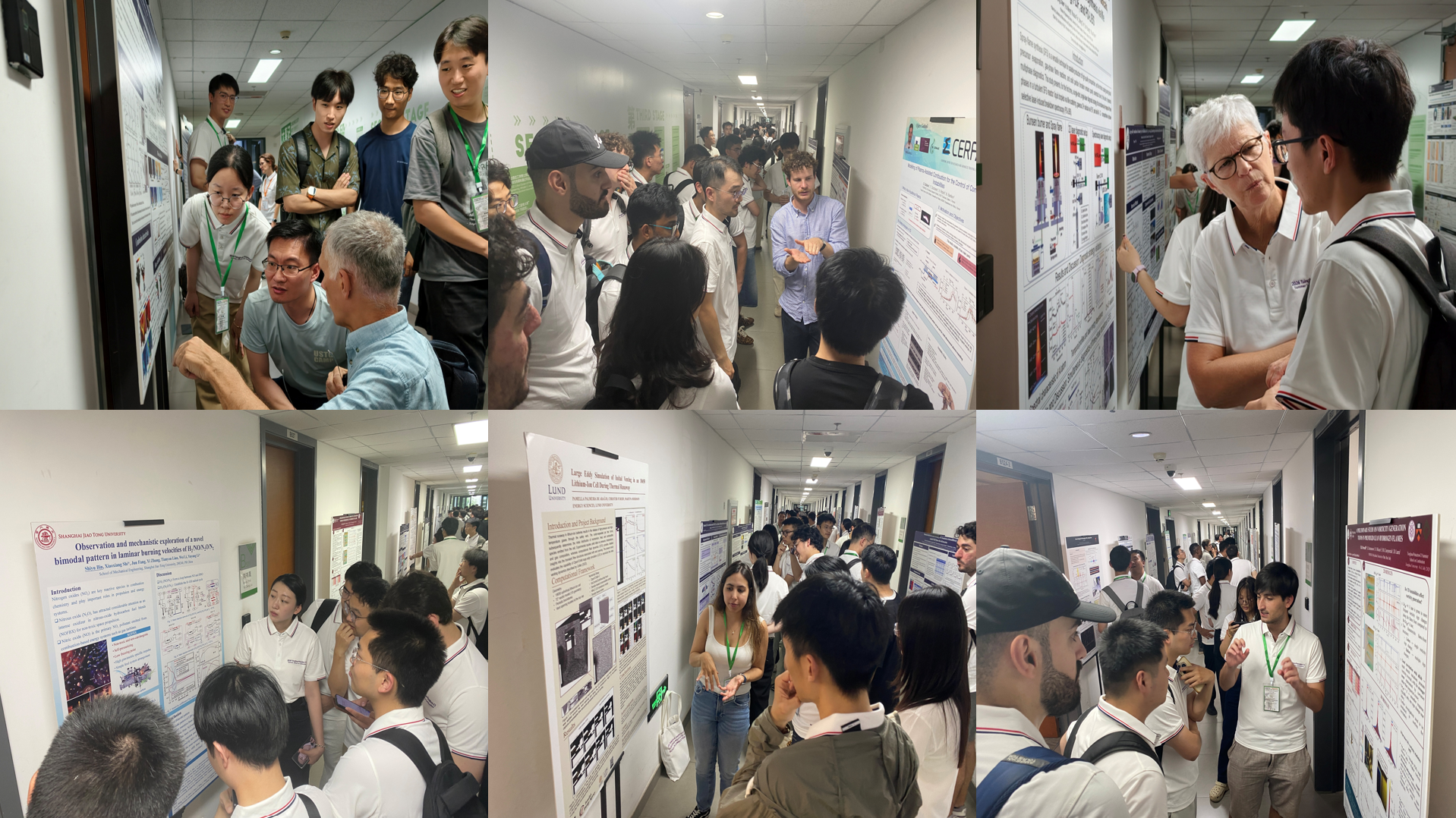
The summer school’s poster session provided an opportunity for academic exchange among domestic and international students. All participants attending the event could sign up, and the submitted academic posters covered domestic and international research results in combustion and other interdisciplinary fields. Poster authors were required to be present at the venue to provide oral explanations within a specific time. This year, students participated widely in this activity, eliciting an enthusiastic response.
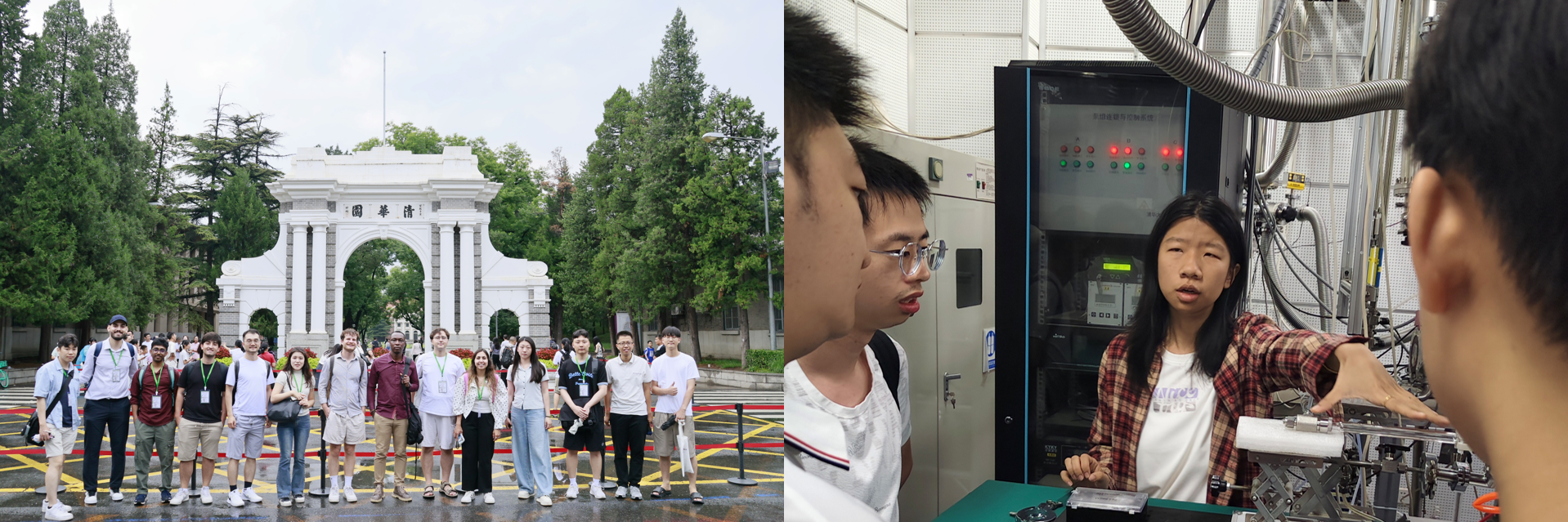
Curious about the campus and scientific research, the summer school students were invited to campus and laboratory tours outside of class hours. Through campus tour guides volunteered by students, domestic and international students learned about the rich cultural heritage within the Tsinghua campus and the history of its representative buildings, providing a profound on-site experience for understanding the school motto “Self-discipline and Social Commitment.” The laboratory tour was the final activity of the summer school, scheduled for the morning of July 11. The Center for Combustion Energy provided seven laboratories for the students to visit this year. Each laboratory arranged for graduate students to introduce the labs in English and answer questions raised by the students.
Provided by: Organizing Committee of the 2026 Tsinghua-Princeton Summer School on Combustion
Approved by: Yu Cheng Liu, Xiaoqing You